

Named lectures at IDWeek bring together pioneering leaders whose careers have shaped infectious diseases research, patient care and public health. Friday’s named lecture speakers will offer reflections on the history and resurgence of measles, the promise of maternal immunization and lessons learned from decades of progress in health care epidemiology.
 John F. Enders Distinguished Lecture in Medical Virology
“Measles: From Rinderpest to Eradication, and Back”
For Andrew T. Pavia, MD, FIDSA , the Enders lecture, Friday, Oct. 23, at 9:15 a.m. ET, is both a professional honor and an opportunity to address one of infectious diseases’ most frustrating setbacks.
“It’s humbling and a bit terrifying,” said Dr. Pavia, the George and Esther Gross Presidential Professor and past chief of the Division of Pediatric Infectious Diseases at the University of Utah. “If you look at the list of Enders lecturers over the years, they’ve represented some of the finest scientists in the world of infectious disease.”
Named for the virologist who helped isolate measles virus and paved the way for measles vaccine development, this year’s lecture will take place amid a resurgence of a disease many thought was on the path to global eradication. Dr. Pavia plans to trace measles from its origins as a descendant of rinderpest through its devastating impact on populations throughout history, the development of effective vaccines and the recent resurgence of outbreaks.
“We should be mopping up the last few pockets of measles in poor countries where we don’t have good vaccine distribution systems,” he said. “Instead, we’re seeing this enormous toll here in North America.”
Dr. Pavia also plans to discuss emerging analyses suggesting that current outbreak figures substantially underestimate the true burden of disease, as well as measles’ unique ability to cause “immune amnesia” by damaging immune memory cells.
Despite decades of progress, he sees the current moment as a warning. “Our inability to control measles is a real warning sign about our ability to contain outbreaks,” he said.
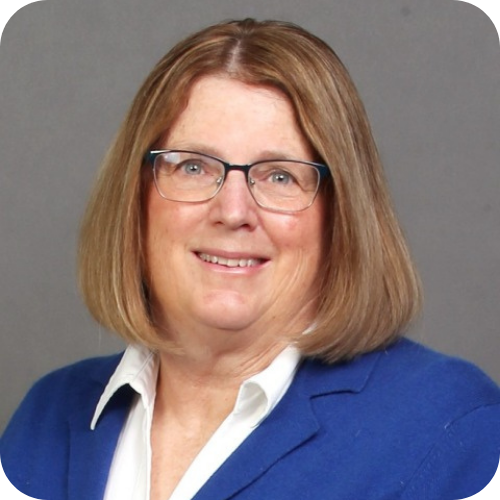 Stanley A. Plotkin Lecture in Vaccinology
“Maternal Immunization to Prevent Disease”
Janet A. Englund, MD, FPIDS, professor of pediatrics at the University of Washington School of Medicine and a pediatric ID specialist at Seattle Children’s Hospital, will deliver the Plotkin lecture, Friday at 4:45 p.m. ET. A member of the Seattle Children’s Center for Clinical and Translational Research and a past president of the Pediatric Infectious Diseases Society, Dr. Englund is a clinical associate at Fred Hutch Cancer Research Center, where she is active in transplant-related protocols in the prevention and treatment of disease in the immunocompromised host.
Her lecture will examine the evolution of maternal immunization, an approach she has studied for decades. While she plans to discuss influenza and COVID-19 vaccination during pregnancy, much of the lecture will center on respiratory syncytial virus prevention, a goal she has pursued throughout her career.
“My ultimate goal was really to prevent RSV in babies because the most severe disease is in the first three months of life,” Dr. Englund said.
She will also discuss emerging opportunities, including maternal vaccination against group B streptococcus, and emphasize the broader benefits of protecting both pregnant women and their infants.
Dr. Englund hopes the lecture will remind attendees why vaccines remain one of medicine’s most powerful tools, inspiring them to push back against increasing vaccine hesitancy. “The risks are low for the vaccine, and the risks are high for the disease,” she said. “We need to be really clear about the risk and benefits of these vaccines.”
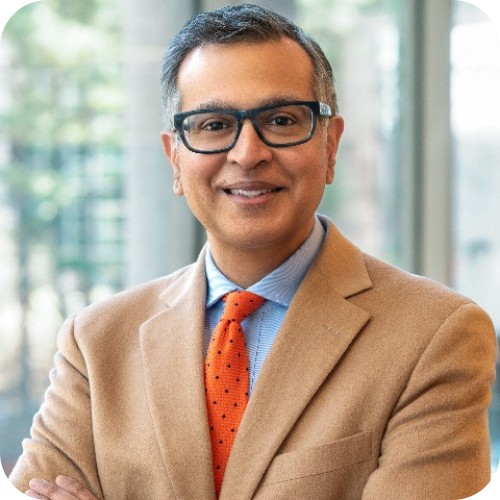 SHEA Lectureship
“The Privilege of Service: Lessons in Humility and Grace”
The SHEA Lectureship, Friday at 4:45 p.m. ET, will feature Arjun Srinivasan, MD, deputy chief medical officer at The Joint Commission. Dr. Srinivasan intends to reflect on a career that has spanned patient care, health care epidemiology, government service and health care quality improvement.
Dr. Srinivasan spent 22 years at the Centers for Disease Control and Prevention in the Division of Healthcare Quality Promotion, where he led national efforts to prevent health care-associated infections and advance antimicrobial stewardship. His leadership played a central role in establishing antibiotic stewardship programs in hospitals across the U.S.
“SHEA has been a part of my professional life as long as I’ve had one,” he said. “To be recognized by a society that has been such a formative part of my entire professional journey is so incredibly meaningful.”
The lecture will explore how leadership in health care epidemiology often depends less on authority than on the ability to influence others.
“It doesn’t matter how smart we are or how much we know,” Dr. Srinivasan said. “If we can’t approach our work with grace and humility, we’re so much less likely to be successful.”
Drawing on decades of work in infection prevention and antimicrobial stewardship, he will argue that meaningful change occurs when health care professionals recognize the perspectives of others and work collaboratively to improve care.