
Named lectures at IDWeek bring together pioneering leaders whose careers have shaped infectious diseases research, patient care and public health. The Thursday, Oct. 22, lineup will span topics from viral infections in immunologically vulnerable patients to the growing threat of antimicrobial resistance and the changing role of ID experts in public life.
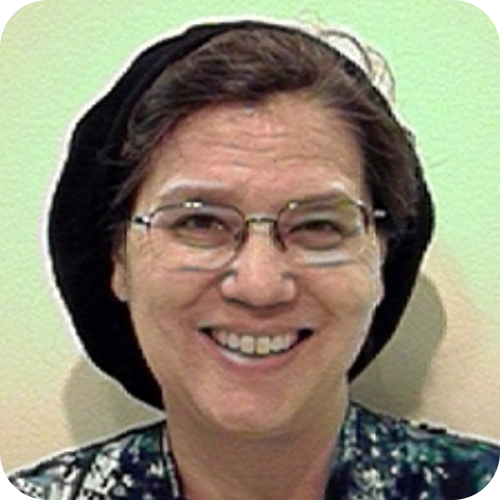 Maxwell Finland Lecture
“Viral Infection Challenges — and a Message of Hope”
Robin K. Avery, MD, FIDSA, professor of medicine at Johns Hopkins University, will deliver the Maxwell Finland Lecture, Thursday, Oct. 22, at 9:15 a.m. ET, addressing both challenges and hope in viral infections.
For Dr. Avery, the honor carries special meaning because of her training in Boston and a unique personal connection to Dr. Finland himself.
“Honestly, it means the world to me,” she said. “I grew up kind of in awe of the name ‘Maxwell Finland.’ ” Her uncle, Arthur Sasahara, MD, a cardiologist, trained at Boston City Hospital in the 1950s and worked with Dr. Finland. She plans to open her lecture with stories passed down from him about the legendary physician’s diagnostic insight, humility and commitment to trainees.
“He was a humble man, a man of few words, but [had] incredible knowledge and wisdom,” she said.
Those qualities continue to resonate throughout her own career in transplant and oncology infectious diseases. Her lecture will draw on decades of work caring for people living with immunologic vulnerability, particularly those facing recurrent, resistant or refractory viral infections. She plans to discuss advances in therapies for infections such as cytomegalovirus and reflect on the clinical trials that have helped bring new treatments to patients.
The lecture will also acknowledge current concerns surrounding scientific research and public health funding. Rather than focusing on uncertainty, Dr. Avery hopes to leave attendees with a sense of purpose.
“What I’d like people to do for this message of hope is to think back to what led them to go into infectious disease in the first place,” she said. “What motivated them? What were their ideals? And stay in touch with that, because that’s what’s going to get us through.”
Dr. Avery believes the collaborative spirit that characterized Dr. Finland’s career remains one of ID’s greatest strengths.
“We have to believe in each other. We have to support each other. We have to praise and celebrate each other,” she said. “I think that’s the way we’re going to get through this.”
 Caroline B. Hall Lecture
“Antimicrobial Resistance: The Next Pandemic Is Already Here”
Pranita Tamma, MD, MHS, professor at the University of Pennsylvania School of Medicine, will present the Hall lecture at 3:15 p.m. ET on Thursday. Dr. Tamma views the lectures as both a personal honor and an opportunity to draw attention to a problem she believes remains underrecognized.
“I definitely feel very humbled by this and not totally deserving of it,” Dr. Tamma said. “It definitely is inspiring to continue to work as hard as I can and try to advance the science of infectious diseases in children.”
Her lecture will examine how antimicrobial resistance develops, the changing epidemiology of resistant infections and the regions of the world bearing the greatest burden. She pointed to reports from some countries where drug-resistant infections claim large numbers of neonatal intensive care patients.
“It’s a huge problem in the pediatric world internationally,” she said. “It still happens every day.”
Dr. Tamma also plans to bring the discussion closer to home by highlighting a dramatic increase in New Delhi metallo-beta-lactamase-producing organisms in the United States, focusing on “why it’s happening, how quickly it’s happening, how it’s impacting patient care [and] what treatments are available,” she said.
Despite the sobering topic, Dr. Tamma intends to end on an optimistic note, pointing to innovations such as bacteriophage therapy and other nonantibiotic approaches.
“These nonantibiotic alternatives ... offer alternatives for treating some of the most drug-resistant infections that we weren’t entertaining in the past,” she said.
She also hopes attendees recognize that antimicrobial resistance cannot be addressed in professional or demographic silos. “It’s not a pediatric or adult population,” Dr. Tamma said. “It spans the lifespan.”
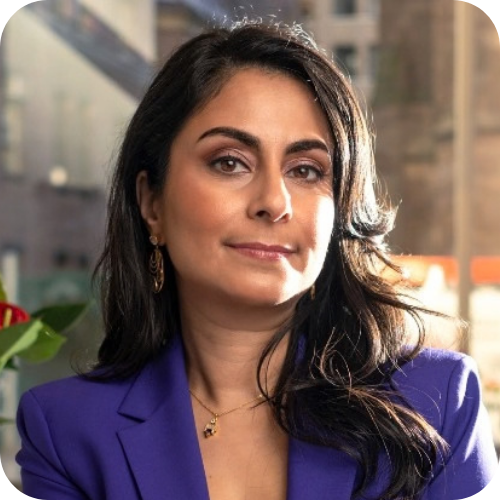 Joseph E. Smadel Lecture
“Where We’re Needed Now: Building a Career of Impact in Infectious Diseases as the Ground Shifts”
The Joseph E. Smadel Lecture, taking place at 4:45 p.m. ET on Thursday, will feature Celine Gounder, MD, ScM, FIDSA, editor-at-large for public health at KFF Health News, medical correspondent for CBS News and clinical associate professor at NYU Grossman School of Medicine.
Drawing on a career that has extended beyond traditional academic and clinical pathways, Dr. Gounder’s lecture will reflect on that journey and the growing importance of communication and public engagement in infectious diseases.
Dr. Gounder traces that shift back to her experience in public health leadership following the Great Recession, when funding cuts forced reductions in public health programs. The experience convinced her that experts needed to do a better job explaining their work to the public.
“Unless people understand what public health is, they’re definitely not going to value it and won’t want to put taxpayer money into it,” she said.
Her lecture will explore how scientists and clinicians can communicate effectively with the public, policymakers and journalists, particularly at a time when misinformation, declining trust and changes in media consumption are reshaping the information landscape.
“If you’re NIH-funded, that means you’re taxpayer funded, and you need to view the public as your boss,” Dr. Gounder said. “You need to be accountable.”
She also sees opportunities for the next generation of ID leaders to forge new career paths that blend science, education, communication and policy.
“I also know that at least some people are waking up to the need for this kind of work,” Dr. Gounder said. “I’m hopeful that maybe this can create some support in academia for this kind of career path.”